


Overview
In functional wellness, one of the most impactful nutrients we focus on is glutathione, often referred to as a master antioxidant. Glutathione plays a central role in supporting the body’s natural detox processes, maintaining healthy cellular function, and promoting overall health and wellness. It is actually made by our cells but can be supported with nutrients in foods.
 What Is Glutathione?
Glutathione is a small but powerful molecule made from three amino acids: glutamine, cysteine, and glycine. Your body naturally produces it, especially in the liver. Because of its essential role in cellular wellness, glutathione is often described as one of the body’s most important internal antioxidants. Several natural genes in your cellular DNA control production and recycling of this all important molecule.
In functional wellness, we view glutathione as a foundational tool for:
-
supporting the body’s natural detox pathways
-
maintaining normal cellular antioxidant activity
-
helping cells function optimally
-
supporting overall wellbeing and resilience

Five Important reasons for maintaining adequate glutathione levels:
1. Supports Healthy Antioxidant Activity
Glutathione helps protect cells from everyday oxidative stress. Many people seek glutathione for its ability to help maintain balanced antioxidant function throughout the body.
2. Supports the Body’s Natural Detox Processes
Glutathione plays a key role in Phase II liver detoxification pathways, helping the body process and eliminate everyday environmental compounds. This is why glutathione is commonly included in wellness protocols designed to support natural detox balance.
3. Supports a Balanced Immune System
Glutathione helps maintain normal immune function. Rather than “boosting” or “treating,” it simply supports the body’s natural immune responses and overall cellular health.
4. Helps Maintain Healthy Energy Levels
By supporting mitochondrial health—the body’s energy centers—glutathione contributes to healthy energy production. Many people notice improved clarity and vitality when their antioxidant systems are balanced. Find more on mitochondrial energy help here: https://www.drjenniferkessmann.com/healthy-mitochondria-energy-fatigue/
5. Supports Healthy Skin
Glutathione’s antioxidant activity can support balanced skin tone and a healthy glow by helping the body manage everyday oxidative stress.
 Why Glutathione Levels May Decline
Normal, everyday factors can influence glutathione levels, including:
-
lifestyle stress
-
natural aging
-
nutritional gaps
-
environmental exposures
-
occasional overexertion
-
inadequate sleep
Supporting glutathione can be a helpful way to maintain balance in the face of modern stressors.
 How to Support Healthy Glutathione Levels Naturally
1. Eat Sulfur-Rich Foods
Foods that supply sulfur-containing compounds can help support natural glutathione production. These include:
-
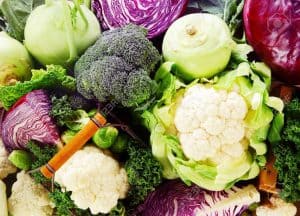
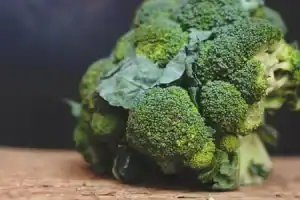
broccoli, cabbage, kale, Brussels sprouts
-
garlic, onions, leeks
-
pasture-raised eggs
-
legumes
These foods also support healthy liver function and help to support the microbiome as well.
2. Ensure Adequate Protein Intake
Glutathione requires amino acids for synthesis. Consuming enough high-quality protein helps provide the building blocks needed for the body to naturally support its antioxidant activity.
3. Use Glutathione-Supportive Nutrients
Several nutrients can support healthy glutathione pathways:
-
N-acetyl cysteine (NAC) — a precursor that supports glutathione production
-
Alpha-lipoic acid (ALA) — supports antioxidant recycling
-
Selenium — supports glutathione-related enzymes
-
Vitamin C — supports healthy antioxidant activity
-
B vitamins — support efficient metabolic processes
4. Glutathione Forms
Common supplemental forms include:
-
Liposomal glutathione – designed for enhanced absorption
-
S-acetyl glutathione – stable, easily utilized
-
IV glutathione (through licensed practitioners) – supports antioxidant levels
5. Support Healthy Sleep and Stress Balance
The body restores antioxidant stores during restful sleep. Incorporating stress-management techniques—such as breathwork, gentle movement, or mindfulness—can help maintain balanced glutathione activity. Learn more about cognitive health here: https://www.ifm.org/dementia-cognitive-Health
6. Reduce Everyday Environmental Exposures
Supporting the body’s natural detox pathways starts with minimizing unnecessary exposure when possible. This may include:
-
choosing fragrance-free cleaners
-
using filtered water
-
selecting non-toxic skincare products
-
ventilating indoor spaces
- Avoiding toxins like pesticides and mold or water damaged buildings.
This reduces the overall load on the body’s natural detox processes.
Glutathione and Skin Wellness
Many individuals incorporate glutathione into their skin-support routines because of its antioxidant role and ability to support healthy skin. While not intended to diagnose or treat skin conditions, glutathione can be part of an overall wellness plan aimed at supporting healthy skin from within.
Who May Benefit from Glutathione Support?
People commonly seek glutathione when they want to support:
-
antioxidant balance
-
natural detoxification
-
overall vitality
-
skin wellness
-
healthy aging
-
immune balance
-
energy
-
general wellness
As always, supplementation should be personalized and discussed with a qualified professional.
Final Thoughts
Glutathione is one of the body’s most important antioxidants, supporting detoxification, cellular resilience, immune balance, and overall wellbeing. By focusing on nutrient-rich foods, supportive lifestyle habits, and well-chosen supplements, you can help maintain healthy glutathione activity to support overall health and wellness.
References
-
Forman, H. J., Zhang, H., & Rinna, A. (2009). Glutathione: Overview of its protective roles, measurement, and biosynthesis. Molecular Aspects of Medicine, 30(1–2), 1–12.
Foundational paper outlining glutathione’s antioxidant and cellular roles. -
Pizzorno, J. (2014). Glutathione!. Integrative Medicine, 13(1), 8–12.
Discusses glutathione’s role in detoxification and clinical wellness. -
Wu, G., Fang, Y. Z., Yang, S., Lupton, J. R., & Turner, N. D. (2004). Glutathione metabolism and its implications for health. Journal of Nutrition, 134(3), 489–492.
Reviews dietary influences and glutathione synthesis. -
Ballatori, N., Krance, S. M., Notenboom, S., Shi, S., Tieu, K., & Hammond, C. L. (2009). Glutathione dysregulation and the etiology and progression of human diseases. Biological Chemistry, 390(3), 191–214.
Excellent background on how glutathione supports cellular health (no treatment claims). -
Dröge, W. (2002). Free radicals in the physiological control of cell function. Physiological Reviews, 82(1), 47–95.
Discusses oxidative stress regulation and the role of antioxidants like glutathione. -
Reed, D. J. (1990). Glutathione: Toxicological implications. Annual Review of Pharmacology and Toxicology, 30, 603–631.
Classic text on glutathione’s role in natural detoxification pathways. -
Jones, D. P. (2006). Redefining oxidative stress. Antioxidants & Redox Signaling, 8(9–10), 1865–1879.
Explains the cellular redox environment that glutathione helps maintain. -
Lu, S. C. (2013). Glutathione synthesis. Biochimica et Biophysica Acta (BBA) – General Subjects, 1830(5), 3143–3153.
Detailed biochemical explanation of how the body produces glutathione. -
Lushchak, V. I. (2012). Glutathione homeostasis and functions: Potential targets for medical interventions. Journal of Amino Acids, Article ID 736837.
Reviews mechanisms of glutathione balance and antioxidant function. -
Kidd, P. M. (1997). Glutathione: Systemic protectant against oxidative and free radical damage. Alternative Medicine Review, 2(3), 155–176.

Dr. Jennifer Kessmann